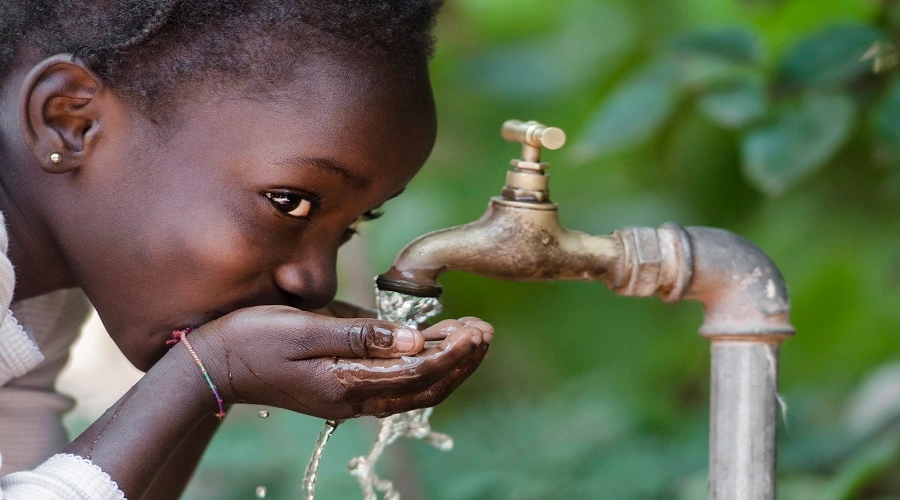
Hunger is not always visible.
It doesn’t always make headlines.
But for millions of families around the world, it is a daily reality.
- A missed meal turns into a missed day of work.
- A hungry child struggles to concentrate in school.
- A parent quietly sacrifices their portion so their children can eat.
In these moments, emergency food aid is more than just assistance, it becomes a lifeline.
When Hunger Becomes a Crisis
For many families, hunger is not caused by one single reason. It is often the result of poverty, rising food prices, conflict, or natural disasters.
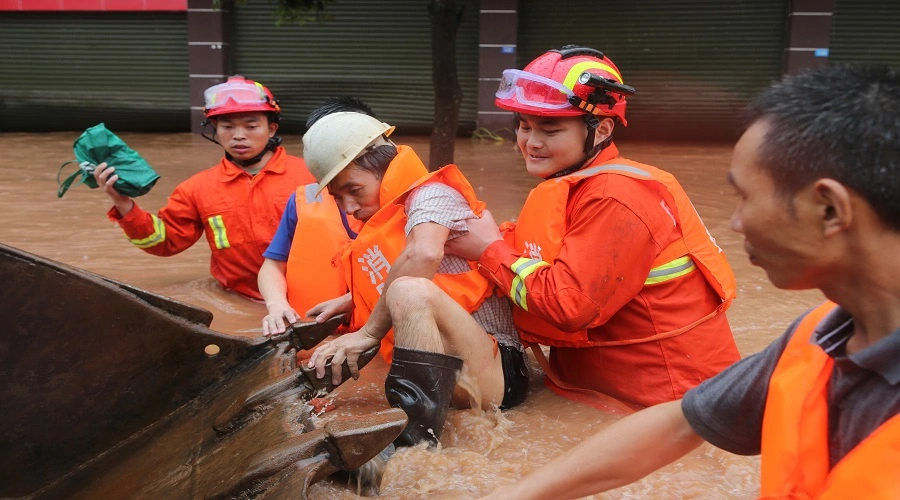
- A sudden flood can destroy crops overnight.
- A job loss can leave a household without income.
- A crisis can push families into uncertainty within days.
This is where crisis food support becomes essential. It responds quickly, providing food to those who cannot afford to wait.
A Mother’s Quiet Strength
In one community supported by Human Relief International (HRI), a mother of three faced a difficult reality. After her husband lost his job, the family struggled to meet even their basic needs.
Meals became smaller.
Sometimes, they skipped them altogether.
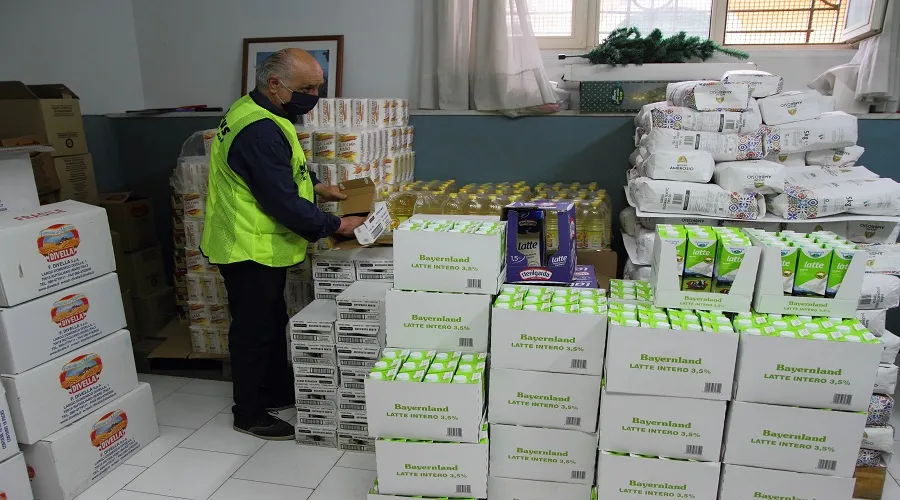
When HRI’s humanitarian food distribution reached her area, her family received essential food supplies. It may have seemed like a simple package of rice, flour, and basic items, but for her, it meant stability.
“It gave us time to breathe,” she shared.
For her children, it meant going to bed without hunger.
For her, it meant hope.
More Than Just a Meal
Emergency food programs do more than provide food for a day. They create a sense of security in uncertain times.
Through a structured emergency meal program, families are able to:
- Meet their immediate nutritional needs
- Focus on rebuilding their lives
- Reduce stress and uncertainty
A single food package can support an entire household for days, sometimes weeks.
Communities Supporting Communities
What makes these efforts even more meaningful is the connection they create within communities.
Local volunteers often play a key role in distributing aid. They understand the needs of their neighborhoods and help ensure that support reaches the most vulnerable.
This collaborative approach strengthens the impact of every food assistance program, making it more effective and sustainable.
Reaching Those Who Need It Most
Not every family has access to support systems. Many live in areas where help is limited or delayed.
HRI focuses on reaching these communities through targeted emergency food aid efforts. From urban neighborhoods to remote villages, the goal remains the same, no family should be left without food.
These programs prioritize:
- Low-income households
- Disaster-affected communities
- Families facing sudden hardship
Because in times of crisis, access to food should not depend on location or circumstance.
Small Support, Lasting Impact
It’s easy to think that one contribution may not make a difference. But when combined, small efforts create powerful outcomes.
A single act of generosity can:
- Provide meals for a family
- Support children’s health and growth
- Help individuals regain stability
Through consistent humanitarian food distribution, communities begin to recover and rebuild.
The Human Side of Aid
Behind every food package is a story.
A father who can return to work knowing his family is fed.
A child who can focus in school instead of hunger.
A family that finds relief in a difficult moment.
These stories remind us that emergency food aid is not just about distribution, it is about people.
A Continuing Need
While emergency food programs provide immediate relief, the need continues.
Many families require ongoing support as they work toward stability. This is why long-term food assistance programs are just as important as immediate responses.
They help bridge the gap between crisis and recovery.
Final Thoughts
Hunger is one of the most urgent challenges facing vulnerable communities today. Yet, it is also one of the most solvable, when support reaches the right people at the right time.
Through initiatives like emergency food aid, Human Relief International (HRI) continues to support families during their most difficult moments. From immediate relief to ongoing assistance, these efforts help restore stability and dignity.
Every story shared is a reminder that even in times of hardship, hope can be found, often in the simplest acts of care.