
Every year, over a billion Muslims around the world observe the holy month of Ramadan a time marked by fasting from dawn until sunset. Many people wonder, why do Muslims fast during Ramadan? What is the deeper purpose behind this sacred practice?
Fasting in the month of Ramadan is far more than simply abstaining from food and drink. It is a spiritual reset, a discipline of the body and mind, a connection to God, and a commitment to compassion and self-improvement. In this blog, we’ll explore 7 powerful reasons why Muslims fast during Ramadan, shedding light on the spiritual, emotional, social, and personal benefits that make this month so meaningful.
1. To Fulfill a Command from Allah
The most important answer to why do Muslims fast during the month of Ramadan is that it is a direct command from Allah in the Qur’an. In Surah Al-Baqarah (2:183), Allah says:
“O you who believe, fasting has been prescribed for you as it was prescribed for those before you so that you may attain Taqwa (God-consciousness).”
This verse highlights two key things: fasting is an obligation, and it has a divine purpose achieving Taqwa. By obeying this command, Muslims strengthen their relationship with Allah, purify their faith, and demonstrate devotion.
2. To Attain Taqwa (God-Consciousness)
One of the most profound reasons why Muslims fast during Ramadan is to cultivate Taqwa. Fasting helps a person become more mindful of their actions, thoughts, and intentions.
When you spend long hours controlling your physical desires, you simultaneously train the heart and mind to avoid spiritual sins such as lying, gossiping, or arrogance. Ramadan becomes a month of reflection, accountability, and transformation. Through worship, prayer, and fasting, Muslims develop a deeper sense of awareness and closeness to God.
3. To Practice Self-Discipline and Self-Control
Although people often focus on the physical side, fasting is truly a training of the soul. By fasting, Muslims learn discipline, patience, and emotional control.
You refrain from eating even when food is right there. You stay kind even when hunger tests your mood. You avoid negative habits and try to establish better ones.
This is one of the major reasons why Muslims fast during Ramadan: it is a month-long boot camp for self-control. The discipline learned in Ramadan helps improve a person’s behavior throughout the entire year, not just for 30 days.
4. To Develop Empathy for the Poor and The Less Fortunate
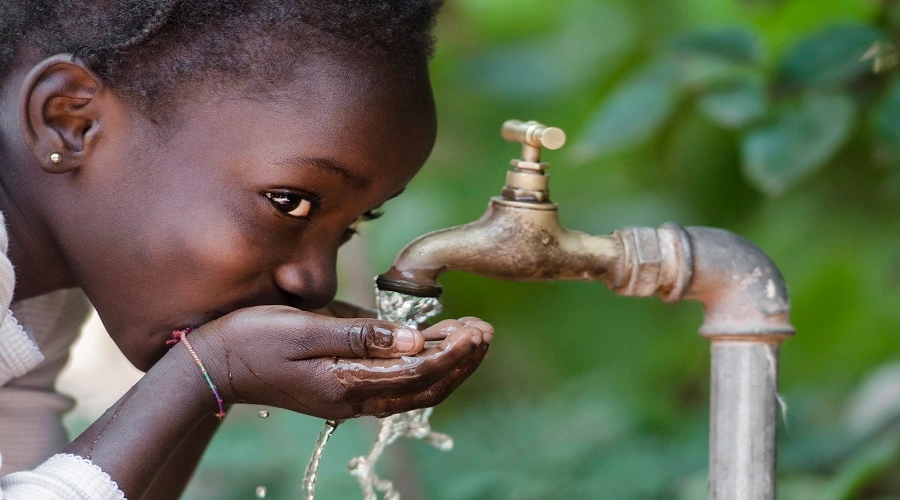
Fasting gives Muslims a powerful reminder of what millions of people endure every day hunger, thirst, and hardship. When you feel the pangs of hunger yourself, your sense of compassion grows.
This is why Muslims fast during the month of Ramadan: to soften their hearts and encourage generosity. During Ramadan, Muslims give more charity, donate food, pay Zakat, and support community welfare projects. The month encourages kindness, sharing, and the understanding that blessings must be used to help others.
5. To Cleanse the Body and Soul
Ramadan is both a spiritual and physical detox. Fasting allows the digestive system to rest, encourages healthier eating habits, and promotes mental clarity. But more importantly, the spiritual detox is transformative.
Muslims focus on:
– Prayer
– Qur’an recitation
– Seeking forgiveness
– Avoiding bad habits
– Purifying intentions
This dual cleansing is one of the lesser-known but deeply impactful reasons why Muslims fast during Ramadan. It resets the heart, the mind, and the lifestyle.
6. To Strengthen Community Bonds
Ramadan brings families and communities closer. From sharing Iftar meals to praying Taraweeh together, the month creates unity and brotherhood. People check on each other, help neighbors, and spend time with loved ones in ways they may forget to do during the rest of the year.
7. To Follow the Sunnah of the Prophet Muhammad (PBUH)
The Prophet Muhammad (PBUH) said:
“Whoever fasts during Ramadan out of sincere faith and hoping for reward from Allah will have their past sins forgiven.”
By fasting, Muslims follow the example of the Prophet and strive to earn the immense spiritual rewards associated with this month. Fasting teaches humility, gratitude, kindness, and devotion all qualities embodied in the Prophet’s character.
Conclusion
So, why do Muslims fast during Ramadan? Because it transforms the heart, purifies the soul, strengthens discipline, builds empathy, and reconnects them with Allah. Human Reliefsupports this journey by helping communities in need experience compassion and care during this sacred month. It is a beautiful spiritual journey that helps Muslims grow, reflect, and renew their faith.