
Ramadan is one of the most sacred months for Muslims around the world. It’s a time filled with faith, charity, and compassion values that reflect the core mission of HumanReliefUSA, a name inspired by kindness and global solidarity. During this holy month, one of the most common questions people ask is: “How do you say Happy Ramadan?”
Let’s explore not only the phrases used to greet one another during Ramadan but also the deeper meaning behind these words and how they bring communities together.
What Does “Happy Ramadan” Really Mean?
When someone says “Happy Ramadan” they’re expressing goodwill and blessings for the month of fasting, prayer, and reflection. It’s similar to wishing someone a Merry Christmas or Happy Diwali — but in a more spiritual tone.
In Islamic culture, Ramadan is not just a celebration; it’s a spiritual journey. Muslims spend these 29 to 30 days reconnecting with faith, helping the needy, and improving self-discipline. Saying “Happy Ramadan” is a way of acknowledging that journey and wishing peace upon others.
Even humanitarian organizations like Human Concern International and Human Concern USA encourage messages of unity during Ramadan. Their work much like HumanReliefUSA focuses on compassion, community, and relief for those in need, which are the very principles Ramadan teaches.
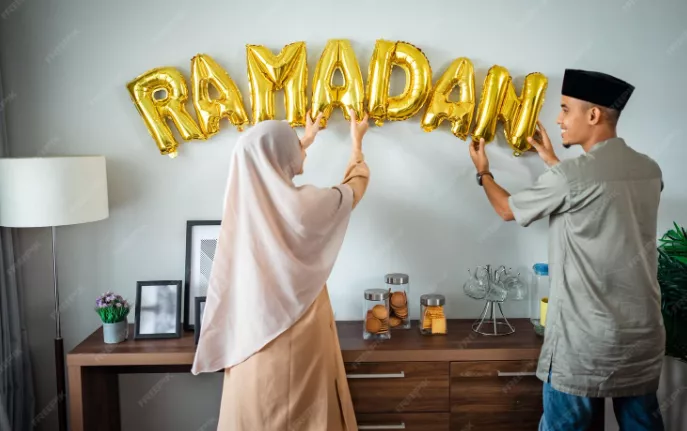
How Do You Say Happy Ramadan in Arabic and Other Languages?
If you want to greet someone observing Ramadan, the traditional Arabic greeting is “Ramadan Mubarak” (رَمَضَان مُبَارَك) which means “Blessed Ramadan.” Another common greeting is “Ramadan Kareem” (رَمَضَان كَرِيم), translating to “Generous Ramadan.”
Both phrases are perfectly appropriate, but they carry slightly different tones. “Mubarak” focuses on blessings, while “Kareem” emphasizes generosity one of the core values of this holy month.
In different cultures, the greeting takes new forms:
- In Turkey, people say “Ramazanınız mübarek olsun.
- In Indonesia, “Selamat menunaikan ibadah puasa.
- In Urdu-speaking regions, people often say “Ramzan Mubarak.
So, when you wonder “how do you say Happy Ramadan” remember that no matter the language, the intention is what truly counts sharing warmth, faith, and goodwill.
Can You Say “Happy Ramadan” to a Muslim Friend?
Yes, absolutely! Many non-Muslims worry about whether it’s culturally sensitive to say “Happy Ramadan” But rest assured, it’s a kind and respectful gesture. Muslims appreciate when others acknowledge their faith and traditions.
The key is sincerity. Whether you say “Happy Ramadan,” “Ramadan Mubarak,” or “Ramadan Kareem,” what matters is that your message comes from genuine respect.
Organizations such as Human Concern USA often encourage cross-cultural awareness during Ramadan, reminding people that small gestures like a warm greeting — help build bridges of understanding and friendship.
How to Wish a Happy Ramadan in a Respectful Way?
If you want to go beyond simply saying “Happy Ramadan” there are many heartfelt ways to express your best wishes.
You might say:
- Wishing you peace and blessings this Ramadan.
- May your fasts bring you closer to your faith.
- May Allah accept your prayers and good deeds this month.
Adding a personal note or expressing genuine empathy makes the greeting more meaningful. For instance, when HumanReliefUSA shares Ramadan wishes on its platforms, it often pairs them with messages of unity and compassion, encouraging people to donate, volunteer, and spread kindness.
Why Are Ramadan Greetings So Important?
Words carry power, and during Ramadan, they carry extra weight. Saying “Happy Ramadan” or “Ramadan Mubarak” is not only a social custom; it’s a way to remind others of the collective spirit of generosity and empathy.
For Muslims fasting throughout the day, such greetings uplift spirits and strengthen their resolve. Moreover, organizations like Human Concern International often run Ramadan campaigns to promote togetherness and charity. The greeting becomes more than just a phrase it’s a reminder that faith and humanity are intertwined.
How Do Humanitarian Groups Spread the Ramadan Spirit?
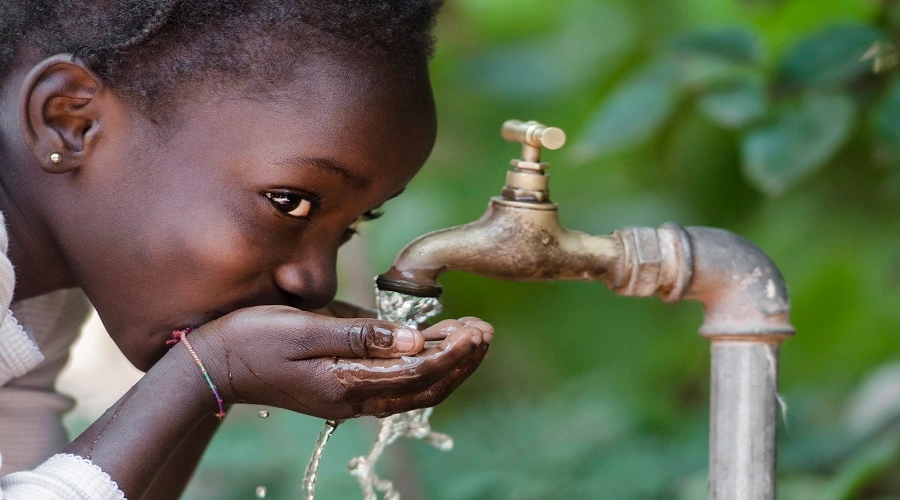
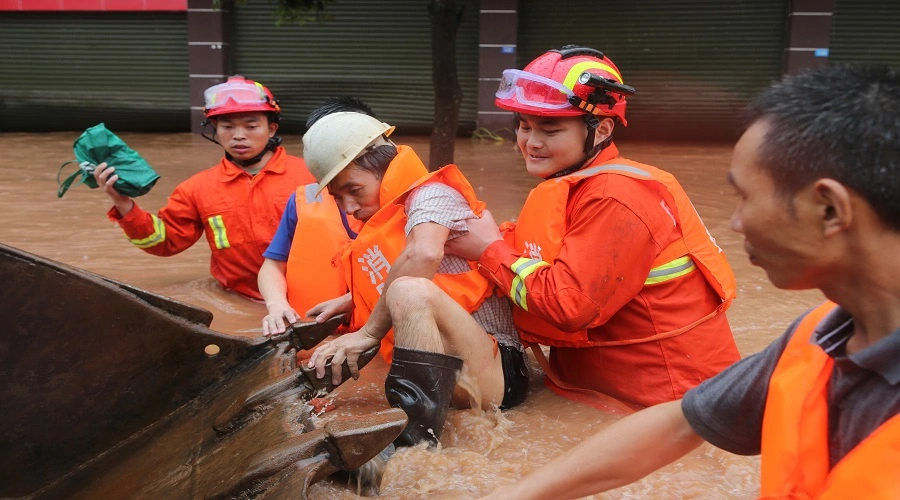
Ramadan isn’t just about fasting it’s also about giving back. This is where humanitarian organizations like HumanReliefUSA, Human Concern USA and Human Concern International come in. They focus on supporting underprivileged families with food drives, water projects, and healthcare aid during the holy month.
When people ask “how to wish a happy Ramadan,” one powerful answer is through action. Donating food, sponsoring iftar meals, or helping your local community speaks louder than words. True blessings come when kindness and compassion turn into real relief for others.
By combining faith with philanthropy, these organizations turn Ramadan into a global movement of hope.
What Role Does Charity (Zakat) Play in Ramadan Greetings?
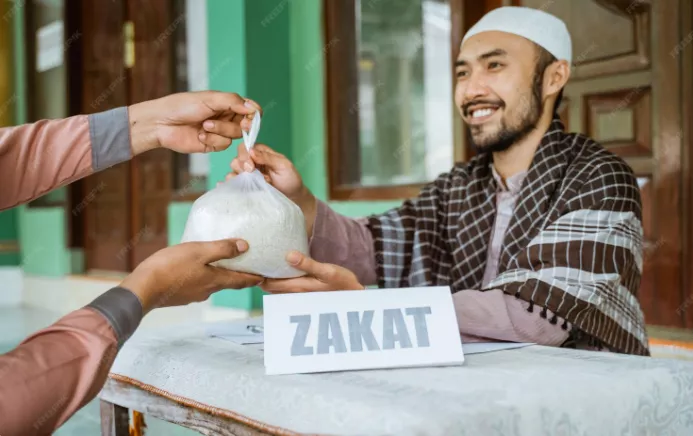
In Islam, charity is known as Zakat, one of the five pillars of the faith. During Ramadan, giving becomes a moral and spiritual obligation. When someone wishes you “Happy Ramadan” they’re not just acknowledging your fast they’re celebrating a month of generosity and giving.
Many Muslim donors contribute to NGOs like Human Concern International and HumanReliefUSA, which help deliver food and essential supplies to families struggling during this sacred month. Each donation is an extension of a heartfelt Ramadan greeting transforming words into action.
How Has “Happy Ramadan” Become a Global Expression?
Over the years, the greeting “Happy Ramadan” has transcended borders and become a phrase of peace shared across religions and cultures. Governments, schools, and communities around the world now recognize the holy month with official messages of goodwill.
In the United States, campaigns by organizations such as Human Concern USA and HumanReliefUSA help spread awareness about Ramadan’s meaning fasting, reflection, and charity. These efforts not only promote inclusivity but also create a shared sense of humanity.
So when you ask, “Can you say Happy Ramadan?”, the answer is yes and you might be surprised at how universal that greeting has become.
How Can You Make Your Ramadan Wishes More Impactful?
Instead of just saying the words, try living them. Offer to break fast with a Muslim friend. Learn about Ramadan traditions. Volunteer your time with organizations like HumanReliefUSA that provide relief to families during the holy month.
When greetings come from the heart, they inspire others to do good. Ramadan is not just about abstaining from food it’s about feeding the soul.
Final Thoughts: A Month of Faith, Hope, and Humanity
The question “how do you say Happy Ramadan” leads us to something deeper a reminder that kindness, compassion, and humanity are universal values. Whether you say “Ramadan Mubarak,” “Ramadan Kareem,” or simply “Happy Ramadan,” the message remains the same: may your month be filled with peace, generosity, and light.
At HumanReliefUSA, we believe that every greeting, donation, and act of service makes the world a little more compassionate. Ramadan is a chance for all of us Muslims and non-Muslims alike to share in the joy of giving and the beauty of humanity.
Frequently Asked Questions
1. Can you say “Happy Ramadan” to someone observing the holy month?
Yes, you absolutely can! Saying “Happy Ramadan” or “Ramadan Mubarak” is a kind and respectful way to acknowledge the spiritual month of fasting. Muslims appreciate when others recognize their faith and extend good wishes with sincerity and warmth.
2. What’s the difference between “Ramadan Mubarak” and “Ramadan Kareem”?
Both greetings are correct and widely used. “Ramadan Mubarak” means “Blessed Ramadan,” while “Ramadan Kareem” translates to “Generous Ramadan.” The first focuses on blessings, and the second emphasizes generosity — both core themes of the holy month.
3. How do you wish someone a Happy Ramadan respectfully?
You can say “Ramadan Mubarak,” “Ramadan Kareem,” or “Wishing you peace and blessings this Ramadan.” Adding a personal touch, such as a short prayer or kind message, makes your greeting even more meaningful. Respect and sincerity matter more than the exact words used.
4. Why are Ramadan greetings important in Muslim culture?
Greetings like “Happy Ramadan” express unity, compassion, and respect. During Ramadan, Muslims focus on faith, charity, and community. A thoughtful greeting strengthens those bonds and reminds everyone of the values of generosity and empathy that the month represents.
5. How can I make my Ramadan greetings more meaningful?
You can make your Ramadan wishes truly special by pairing your words with actions such as donating to a food drive, volunteering, or supporting charitable organizations like HumanReliefUSA. Acts of kindness during Ramadan bring the true spirit of the month to life.