Floods change everything very quickly.
One day, families are going about their normal routines. Children are walking to school, shopkeepers are opening stores, and farmers are working in their fields. Then heavy rain begins, rivers overflow, and within hours entire areas are underwater.
In many parts of Pakistan, this has become a painful reality for thousands of families.
Homes disappear beneath floodwater. Roads become impossible to cross. Electricity cuts off. Families are forced to leave behind belongings they spent years building.
And in the middle of all this chaos, flood relief operations begin.
But what people often see online is only a small part of the story.
A photo of food distribution.
A rescue boat.
Volunteers handing out water bottles.
What they don’t always see is how much work, coordination, and human effort happens behind the scenes to help communities survive moments like these.
The First Hours Are Usually the Hardest
When flooding starts, confusion spreads quickly.
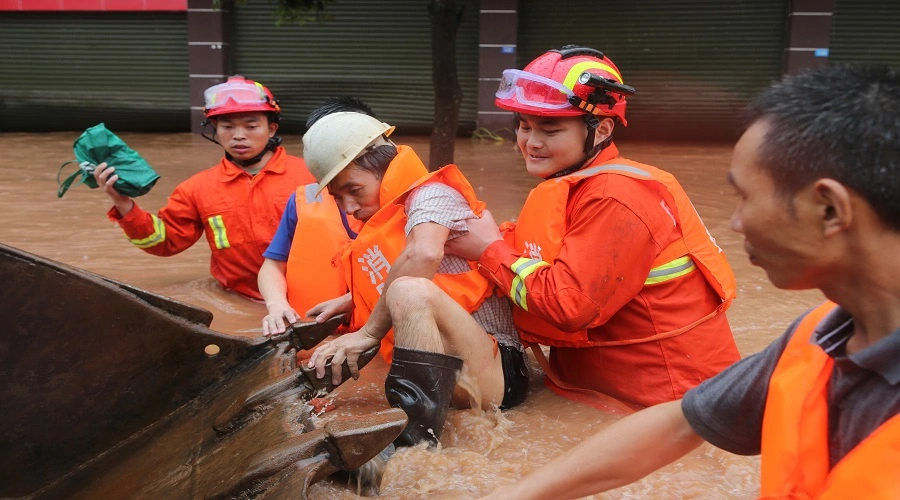
Families try to move children and elderly relatives to safer places. Some people wait on rooftops hoping for rescue. Others try to protect important belongings before the water rises higher.
For humanitarian teams and local volunteers, the first priority is always safety.
The immediate response usually focuses on:
- Evacuating families
- Reaching stranded communities
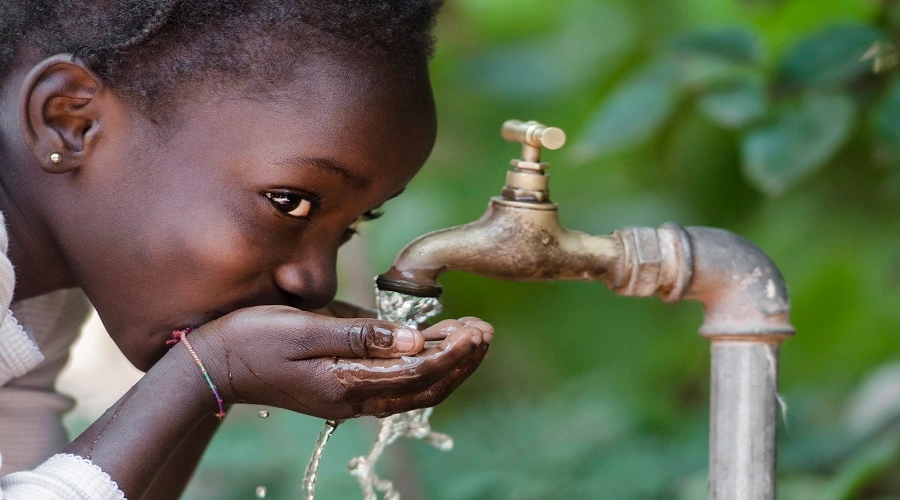
- Providing emergency food and clean water
- Setting up temporary shelters
In flood-affected regions of Pakistan, even reaching people can become difficult. Roads may disappear under water, bridges may collapse, and communication networks often stop working.
Sometimes relief teams travel for hours just to reach one isolated village.
Local Communities Often Respond First
One thing that stands out during flood emergencies is how communities help each other.
Neighbors rescue neighbors.
Young volunteers help move families to safer places.
People share food, shelter, and whatever resources they have.
Long before large-scale aid arrives, local communities are usually already trying to support one another.
This local response matters because people on the ground understand the area better than anyone else. They know which families are vulnerable, which roads are still accessible, and where help is needed most urgently.
At Human Relief International (HRI), local partnerships and community coordination are an important part of how relief efforts are organized during emergencies.
Food and Clean Water Become Critical
After flooding, basic necessities suddenly become difficult to find.
Food supplies may be destroyed. Clean drinking water becomes contaminated. Families often have no way to cook or store food safely.
This is why emergency aid packages are one of the first things distributed during flood relief operations.
These packages may include:
- Rice and flour
- Bottled water
- Blankets
- Hygiene supplies
- Basic medicines
To many people, these are ordinary household items. But during disasters, they become essential for survival.
Floods Leave More Than Physical Damage
Even after the water begins to go down, the struggle is far from over.
Floods often leave behind:
- Damaged homes
- Destroyed crops
- Lost income
- Health risks from contaminated water
Children may stop attending school for weeks or months. Families may live in temporary shelters while trying to figure out how to rebuild their lives.
Recovery is usually much slower than people expect.
And emotionally, the impact can stay with families long after the flooding ends.
Why Preparedness Matters So Much
Every flood season reminds communities why natural disaster preparedness is important.
In many flood-prone areas, families now try to prepare ahead of time by:
- Storing emergency food and water
- Keeping important documents safe
- Learning evacuation routes
- Preparing basic emergency kits
Simple flood preparedness measures can make a huge difference when emergencies happen unexpectedly.
Preparedness doesn’t stop disasters from happening, but it can reduce panic and help save lives.
The Human Side of Relief Work
Flood relief is not just about logistics or distributions.
It’s deeply emotional work.
It’s seeing parents trying to comfort frightened children inside crowded shelters.
It’s volunteers standing in floodwater for hours handing out food.
It’s families returning home to find everything damaged and still trying to stay hopeful.
These are the moments that often stay with relief workers long after operations end.
Humanitarian work is not only about delivering aid. It’s about reminding people that they have not been forgotten during some of the hardest moments of their lives.
Preparedness Is Becoming More Important Every Year
As floods continue affecting vulnerable regions more frequently, communities are placing greater focus on preparedness and safety planning.
This includes:
- Community awareness programs
- Emergency response training
- Safer housing practices
- Basic emergency readiness guides for families
Many households now also keep simple supplies from a disaster survival kit checklist, including flashlights, dry food, first aid items, and clean water.
These small preparations can make emergencies less overwhelming when disaster strikes suddenly.
Final Thoughts
Floods can take away homes, belongings, and a sense of stability within hours. But they also reveal something important, the strength of communities coming together during difficult times.
Behind every flood relief operation are people working quietly to help others stay safe, fed, and supported. Volunteers, local communities, and humanitarian teams all become part of that effort.
At Human Relief International (HRI), flood relief work goes beyond emergency response alone. Through preparedness efforts, local partnerships, and long-term recovery support, HRI continues working alongside vulnerable communities before, during, and after disasters.
Because sometimes, in the middle of uncertainty and loss, even small acts of support can help families begin finding their way forward again.