Every year, as the days of Dhul Hijjah arrive, millions of Muslims around the world sharpen their intention, not just a blade. They’re preparing for Qurbani, one of the most profound acts of worship in Islam. But if you’ve ever wondered what Qurbani truly means beyond the ritual itself, you’re not alone. Many of us grew up watching it happen without fully understanding what we were witnessing.
Let’s slow down and look at it properly.
The Meaning of Qurbani
The word Qurbani comes from the Arabic root qurb, meaning closeness or nearness. To perform Qurbani is, at its core, to draw near to Allah, not through wealth, not through status, but through willingness to give up something you value.
In Islamic tradition, Qurbani refers to the ritual animal sacrifice performed during Eid al-Adha, the Festival of Sacrifice on the 10th, 11th, or 12th of Dhul Hijjah, the final month of the Islamic calendar. It commemorates one of the greatest tests in prophetic history: the moment Ibrahim (AS) was commanded by Allah to sacrifice his son Ismail (AS), and both father and son submitted completely, without hesitation.
That moment of surrender is what we re-enact every year. Not the blood. Not the animal. The surrender.
What Is Eid al-Adha and Why Does Qurbani Happen Then?
Eid al-Adha is the second of Islam’s two major celebrations, and in many ways, it carries a deeper spiritual weight than Eid al-Fitr. While Eid al-Fitr marks the end of Ramadan’s fasting, Eid al-Adha is tied to the Hajj pilgrimage, the gathering of millions at Makkah and to this story of Ibrahim’s unwavering faith.
When Ibrahim raised the knife, Allah intervened. A ram appeared in Ismail’s place. The sacrifice was accepted, not because of the act itself, but because of the sincerity behind it.
The Quran captures this beautifully: “It is neither their meat nor their blood that reaches Allah, but it is your piety that reaches Him.” (22:37)
That verse is the entire point of Qurbani. It has always been.
Who Is Required to Perform Qurbani?
Qurbani is wajib (obligatory) according to the Hanafi school of thought, and strongly recommended (Sunnah Mu’akkadah) according to the Shafi’i, Maliki, and Hanbali schools. The conditions for it being required are:
- You are Muslim
- You are an adult (past the age of puberty)
- You are of sound mind
- You possess the nisab the minimum threshold of wealth (equivalent to the value of 612.36g of silver), above your basic needs and debts
If you meet these conditions, you should perform Qurbani. If you’re struggling financially, it’s not binding on you, Islam never burdens a person beyond their capacity.
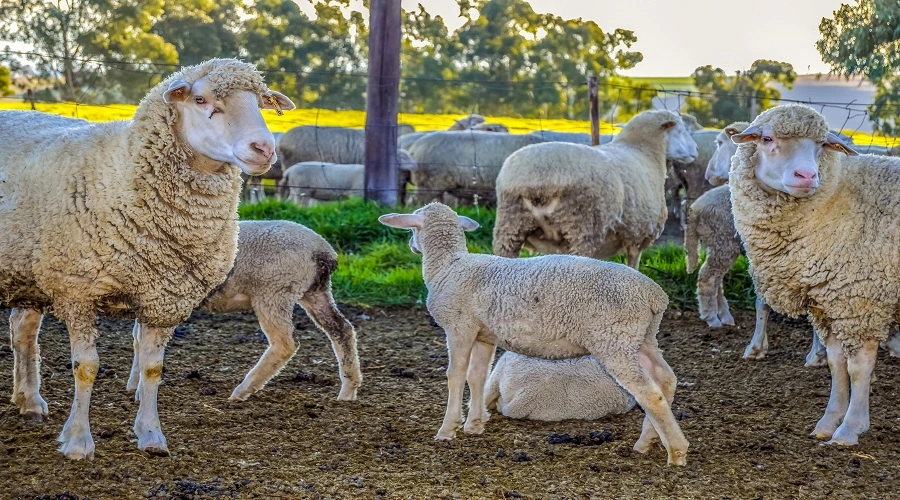
One Qurbani per household is a minimum. A sheep or goat counts as one sacrifice for one person. A cow or camel can be shared among up to seven people.
The Rules of Qurbani You Should Know
Getting the details right matters. Here are the key rules:
The animal must meet certain conditions. It should be healthy, free from obvious defects, and have reached the minimum age, one year for sheep and goats, two years for cattle, and five years for camels. A limping, blind, or severely sick animal is not acceptable.
The timing is fixed. Qurbani begins after the Eid prayer on the 10th of Dhul Hijjah and continues until sunset on the 12th. Sacrificing before the prayer is not valid.
The intention matters. Before the sacrifice, you make the intention for Qurbani specifically. If you’re sacrificing on behalf of someone else, a deceased family member, for example that intention should be made clear.
The meat is divided three ways. One-third for yourself and your family. One-third for relatives and friends. And one-third for those in need. That last third is not a recommendation, it’s part of what makes Qurbani complete.
Why the Sharing Part Is the Heart of It
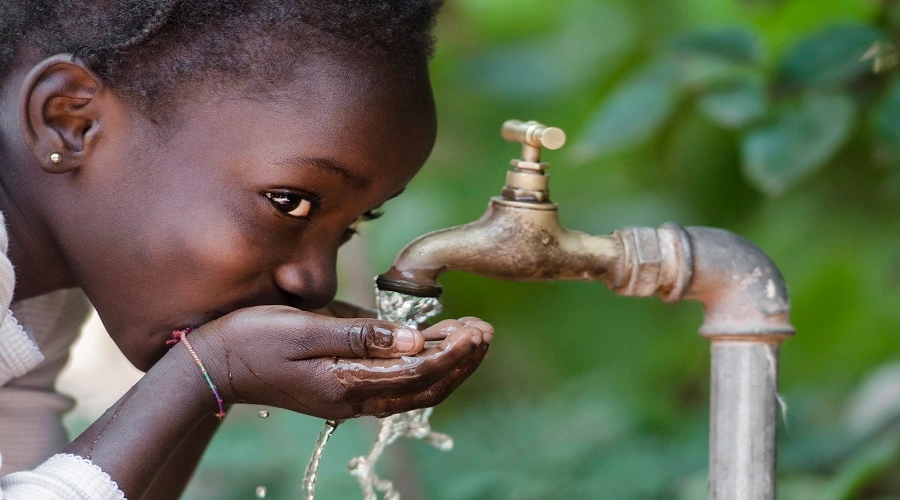
Think about that distribution for a moment. A significant portion of every Qurbani is meant to reach people who couldn’t afford meat themselves. In many Muslim-majority countries, Eid al-Adha is one of the only times a year that vulnerable families taste fresh meat.
This is where Qurbani stops being just ritual and becomes rahma, mercy in action.
At Human Relief International, our Qurbani program channels your sacrifice to families in Pakistan and other regions facing poverty, displacement, and food insecurity. We handle the slaughter on your behalf, following proper Islamic guidelines, and distribute the meat directly to those who need it most including orphans, widows, and flood-affected communities.
Your Qurbani, performed through HRI, reaches a family that would otherwise spend Eid without a proper meal.
More Than a Tradition — A Living Practice
Qurbani isn’t a relic from the past. It’s a yearly reminder that what we own doesn’t define us, what we’re willing to give does. Ibrahim didn’t hesitate because he trusted something greater than his own comfort. That spirit, passed down through centuries, is what every Muslim steps into during these blessed days.
If you haven’t arranged your Qurbani yet, there’s still time. And if you’d like yours to feed a family that will genuinely feel its impact, we’re here.
Donate your Qurbani through Human Relief International Zakat and Sadaqah eligible, fully transparent, and rooted in real communities.
Because closeness to Allah and closeness to people were never separate things.