Most people only see the aftermath of a disaster.
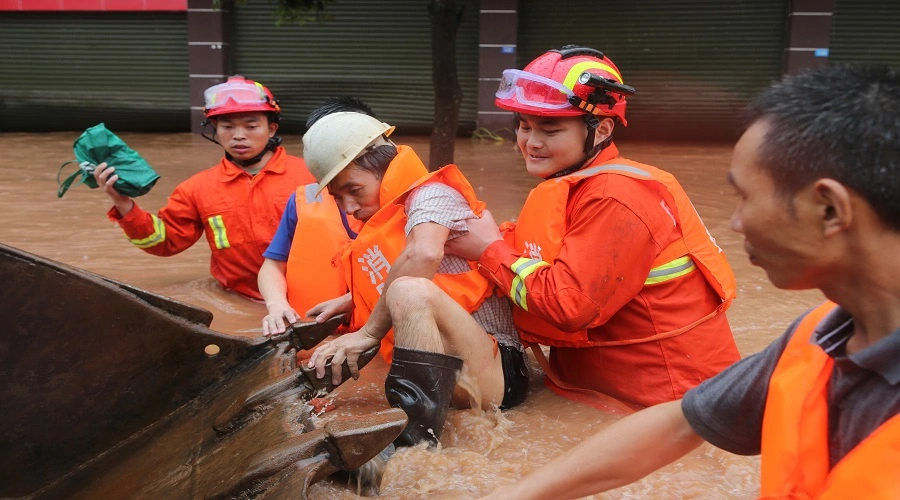
The flooded streets.
The damaged homes.
The families standing outside with whatever they managed to carry.
What we don’t always see are the weeks and months that come after.
The quiet struggle of parents trying to rebuild.
The uncertainty families feel when food, clean water, or medical care become difficult to access.
The exhaustion communities carry long after the headlines disappear.
And somewhere in the middle of all this, nonprofit organizations are usually there, trying to respond as quickly as possible, often with limited resources and overwhelming demand.
Crisis Seasons Are Becoming Harder
In recent years, disasters have become more frequent and more intense for many communities around the world.
One region may be recovering from floods while another faces drought, conflict, or displacement. For humanitarian organizations, crisis seasons rarely come one at a time anymore.
And when emergencies happen, everything becomes urgent very quickly.
Food is needed immediately.
Shelter becomes critical.
Medical supplies run low.
Families need support before situations become even worse.
This is why nonprofit organizations often work around the clock during emergencies, because waiting is not always an option.
Support Helps Nonprofits Respond Faster
One thing people sometimes forget is that nonprofits also need support in order to help others effectively.
Behind every food distribution or emergency response effort are real logistical challenges:
- Transporting supplies
- Reaching remote communities
- Organizing volunteers
- Preparing emergency resources
- Coordinating local support systems
Without proper support, even the most committed organizations can struggle to keep up with growing needs during crisis seasons.
That’s why ongoing support matters, not only during emergencies, but before they happen too.
Preparedness Often Starts Before Disaster Strikes
A lot of humanitarian work happens quietly, long before an emergency ever makes the news.
Communities may receive safety training.
Local volunteers may learn emergency response skills.
Families may be taught how to prepare for floods or storms.
This work is part of disaster risk reduction, and while it may not always seem visible, it can make an enormous difference later.
Communities that are prepared often recover faster because they already know how to respond during difficult moments.
The Importance of Community Resilience
Every community has people who step forward during emergencies.
The neighbor helped another family evacuate.
The volunteer distributing meals late into the night.
The local workers checking on elderly residents after a storm.
These small acts of care matter deeply.
Strong community resilience programs help strengthen those local support systems so people are not facing disasters completely alone.
Preparedness is not just about supplies or planning. It’s about people feeling connected, informed, and supported when things become uncertain.
Nonprofits Stay Long After the Headlines Fade
One of the hardest parts of humanitarian work is that recovery often continues long after public attention moves on.
After the cameras leave, families are still trying to rebuild homes, return children to school, and recover emotionally from everything they experienced.
This is where nonprofit organizations continue showing up.
Not just during the emergency itself, but during the slower, quieter process of recovery that can take months or even years.
At Human Relief International (HRI), this long-term support is an important part of humanitarian work. Emergency relief matters, but helping communities regain stability matters just as much.
Preparedness Is About Protecting People
When people hear terms like risk mitigation planning or hazard risk assessment, they can sound technical.
But at the heart of all of it is something very simple: protecting people before situations become worse.
Sometimes preparedness means:
- Identifying safer evacuation routes
- Strengthening local communication systems
- Training volunteers
- Helping families create emergency plans
These efforts may seem small during calm periods, but they become incredibly important when disasters happen unexpectedly.
Humanitarian Work Is Deeply Human
At its core, humanitarian work is not just about aid programs or emergency systems.
It’s about people.
It’s about a parent trying to keep their children safe during a flood.
A volunteer spending hours distributing food to families they’ve never met.
A community trying to recover together after losing so much.
This is why supporting nonprofits matters. Because behind every relief effort are real people working to help other people through some of the hardest moments of their lives.
Final Thoughts
Crisis seasons remind us how connected we all are.
No community should have to face disasters without support, preparation, or hope. And no humanitarian organization can continue this work alone without strong partnerships and community backing.
Through disaster risk reduction, preparedness efforts, and long-term humanitarian support, organizations like Human Relief International (HRI) continue working alongside vulnerable communities before, during, and after emergencies.
Because in the end, disaster response is not only about reacting to crises, it’s about making sure people feel supported through every stage of recovery, even after the world stops watching.