For many of us, choosing what to eat is part of a daily routine. We think about taste, convenience, or maybe trying to eat a little healthier.
But for millions of families around the world, food is not about choice. It’s about availability.
Some parents go to sleep worried about how they will feed their children the next day. Some children grow up without regular access to fresh food, clean water, or proper nutrition. In underserved communities, healthy living can feel like a luxury instead of something basic.
And yet, nutrition affects everything.
It affects how children learn in school.
How adults work and stay healthy.
How families cope with stress and illness.
A healthy meal may seem small, but in many communities, it can change the direction of someone’s day, sometimes even their future.
When Healthy Food Isn’t Easy to Find
In underserved areas, the problem is often bigger than hunger alone.
Some communities don’t have nearby markets with fresh produce. Others deal with rising food costs, unemployment, or limited healthcare services. In rural areas, families may rely on whatever food is available, even if it lacks proper nutrition.
And over time, these challenges begin to affect overall health.
Children may struggle with low energy and poor concentration in school. Adults may face health problems that go untreated because medical care is too far away or too expensive.
It becomes a cycle that is difficult to break without support.
Nutrition Is More Than Just Food
Healthy living isn’t only about eating enough. It’s also about understanding what the body needs and having the ability to maintain those habits consistently.
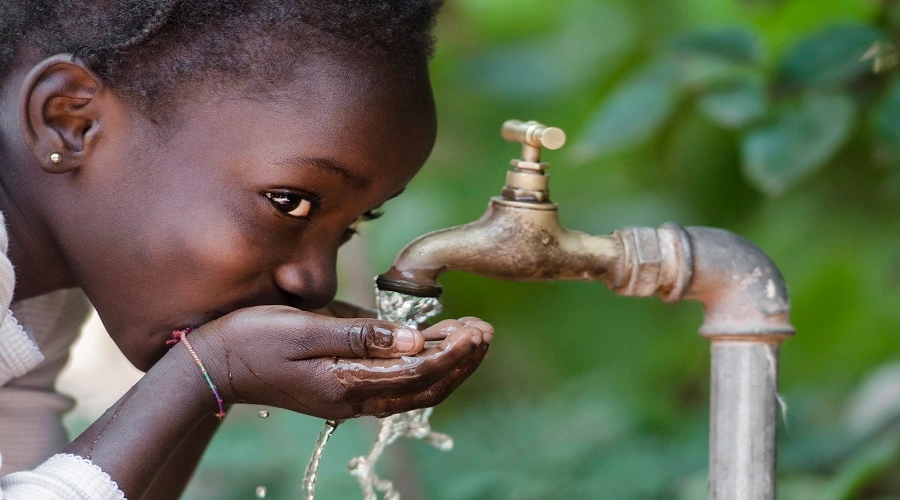
Something as simple as drinking clean water, washing hands properly, or learning how to prepare balanced meals can make a real difference.
That’s why community education matters just as much as food support.
At Human Relief International (HRI), health and nutrition programs are designed to support families in practical and sustainable ways, not only by providing assistance, but by helping communities better understand long-term wellness.
Children Often Feel the Impact First
When nutrition is poor, children are usually affected the most.
A child who doesn’t eat properly may struggle to focus in school. They may become sick more often or feel tired throughout the day. Over time, poor nutrition can affect physical growth, emotional well-being, and confidence.
And for parents, that can be heartbreaking.
No parent wants to see their child struggling because basic needs aren’t being met.
This is why nutrition support matters so deeply. It’s not only about food distribution, it’s about helping children grow up healthier, stronger, and with more opportunities ahead of them.
The Importance of Community Support
One of the most powerful things about humanitarian work is seeing communities support each other during difficult times.
Whether it’s volunteers helping distribute meals, local leaders organizing awareness sessions, or neighbors sharing resources, these small acts create meaningful change.
Real impact often begins at the community level.
Through outreach programs, food assistance, and health awareness efforts, organizations like HRI work alongside local communities instead of simply stepping in temporarily.
Because lasting change happens when people feel involved, heard, and supported.
Small Changes Can Have a Big Impact
Improving health in underserved communities doesn’t always require large-scale solutions overnight.
Sometimes it begins with:
- A family receiving consistent meals
- A mother learning about child nutrition
- A school promoting healthy eating habits
- A community gaining access to clean water
Over time, these small improvements build healthier environments and stronger futures.
That’s what makes nutrition and healthy living so important. The effects go far beyond one meal or one moment.
Healthy Living Should Be Accessible to Everyone
Good health should never depend on someone’s income or where they live.
Every person deserves the opportunity to live with dignity, access healthy food, and care for their well-being.
But for underserved communities, these opportunities are often limited by circumstances outside their control.
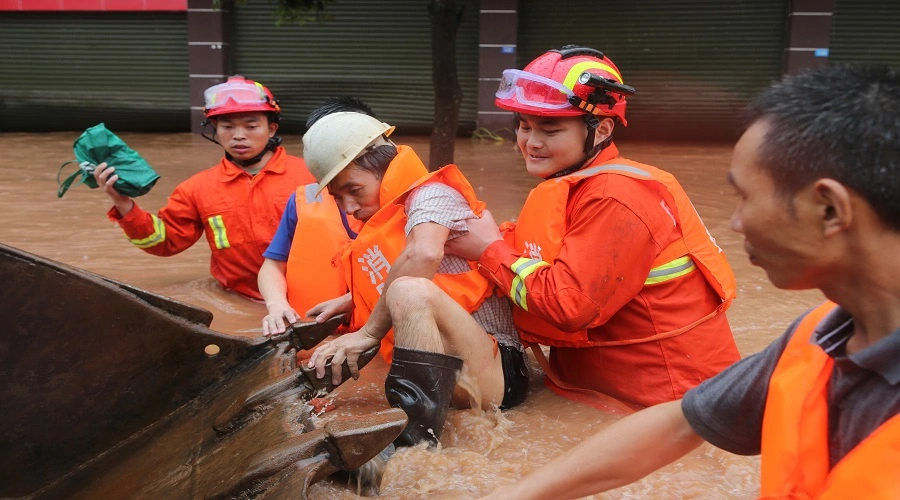
This is why ongoing support matters, not just during emergencies, but every day.
Final Thoughts
Conversations about health and nutrition often focus on statistics, but behind every number is a real person, a real family, and real challenges.
A child trying to focus in school while hungry.
A parent doing everything possible to provide for their family.
A community trying to build healthier lives with limited resources.
At Human Relief International (HRI), nutrition and health initiatives are centered around people, their needs, their dignity, and their future. Through food support, awareness programs, and community outreach, HRI continues working toward healthier and stronger communities where families feel supported, not forgotten.
Because sometimes, the first step toward hope begins with something as simple as a healthy meal, a little support, and the reminder that someone cares.